
















Though the supply chain has become more stable compared to the pandemic years, labor shortages, issues with raw materials, and many other obstacles still exist. This makes controlling supply chain costs incredibly difficult and can dramatically cut into profits, leading to frustration amongst business leaders and consumers alike. These problems span many industries but are especially evident in eCommerce, where an unreliable supply chain can quickly increase costs and harm customer satisfaction.
It’s easy to feel overwhelmed given the realities of modern supply chain management, but many solutions promise to address today’s top challenges and even improve the bottom line. Modern tech concepts can be implemented to boost efficiency and productivity in operations planning, order fulfillment, and through every part of the supply chain.
A variety of advanced solutions promise to promote a more cost-effective workflow. This, in turn, makes it far easier to handle constant supply chain disruptions while keeping clients and customers happy.
6 Supply Chain Cost Reduction Strategies
Certain technological solutions are universally beneficial, while others must be implemented strategically to produce the best possible return on investment. When navigating these opportunities, it’s important to select systems, software and partners, that take your unique operations into account. Consider the following initiatives, as they could be vital to reducing supply chain costs for your business:
Automation

Automation has been a big part of the logistics and supply chain conversation these past few years, and it’s not going anywhere soon. Already, automation is seen less as something that provides a competitive edge and more as a necessary tool to keep up with the competition. At this point, the failure to take advantage of automated solutions can be a real liability.
Despite the clear need for automation in nearly every industry imaginable, some businesses remain resistant to implementing it — even when their failure to do so causes obvious harm. For many, fears of high upfront costs continue to stand in the way. Yes, these can be considerable in some cases, but the potential for long-term savings should also be considered in the total cost.
Top methods for implementing automation include:
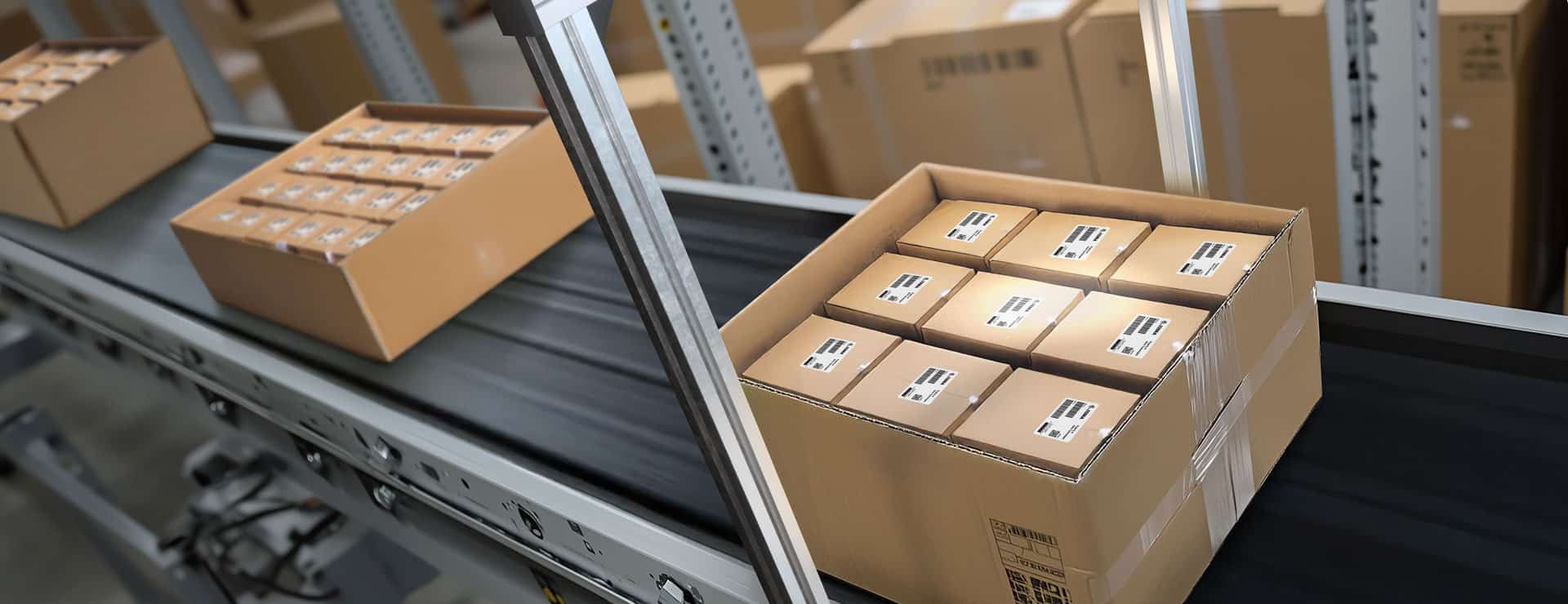
 Machine vision. Echoing the power of human sight, machine vision systems use a combination of cameras and software to streamline visual tasks that once relied on humans alone. This technology is often used for inspections, as this makes it possible to immediately capture barcodes. Machine vision is also increasingly relied on for pick and pack sorting, inventory categorization, and package tracking. Fixed industrial scanners hold some noteworthy similarities but are especially useful for high-volume situations.
- Voice-directed services. Warehouse workers are far too often expected to carry out complicated tasks when they don’t have full use of their hands — or when they need to be visually aware of a myriad of concerns. Voice-directed services address this issue by helping employees work “head up, hands-free.” These warehousing systems give workers specific, time-sensitive instructions to improve accuracy.
Warehouse Layout
Small changes in warehouse layout can pay huge dividends over time. Layout plays a dramatic role in determining how efficient everyday operations can become. An ideal layout will make the most of every inch of space while also streamlining workflows to remove bottlenecks.
Wireless connectivity often plays into layout concerns but is frequently neglected. With proper setup, a strategic wireless system can ensure that connectivity is consistent throughout the entire warehouse environment. This ultimately prevents costly outages and associated downtime.

Connectivity concerns can be addressed with a wireless site survey, which reveals the various environmental factors that could disrupt wireless coverage or radio frequency signals. From racking systems to building materials and even previously installed wireless solutions, a variety of issues can limit connectivity. Once these problems are reversed, the automated solutions highlighted above can finally be used to their fullest potential.
Proper Inventory Management & Tracking
As mentioned previously, manual processes limit profit potential, as they require steep labor costs and simply cannot live up to the efficiency of today’s automated systems. They also increase the potential for human error, which can quickly damage your enterprise’s reputation while also increasing costs. Missing inventory must be avoided whenever possible; hence, the need for a reliable inventory management system.
Tracking capabilities can be quickly upgraded by implementing radio frequency identification (RFID) systems. These solutions use an impressive combination of readers and tags to gather and store a wealth of data. RFID systems promote exceptional visibility while reducing labor costs. They represent a clear step up from traditional barcodes, as they can be scanned automatically and have no line-of-sight requirements.
RFID systems are a top option for hardening the supply chain, especially for just-in-time operations that might otherwise need to maintain excess stock. These solutions quickly count shipments, identifying discrepancies early on so they can be quickly rectified. They provide much-needed transparency to reveal where over or understocking might occur. These forecasting capabilities can help enterprises fine-tune supply chain strategies and inventory levels to be prepared for the worst-case scenario.
Consolidate Software
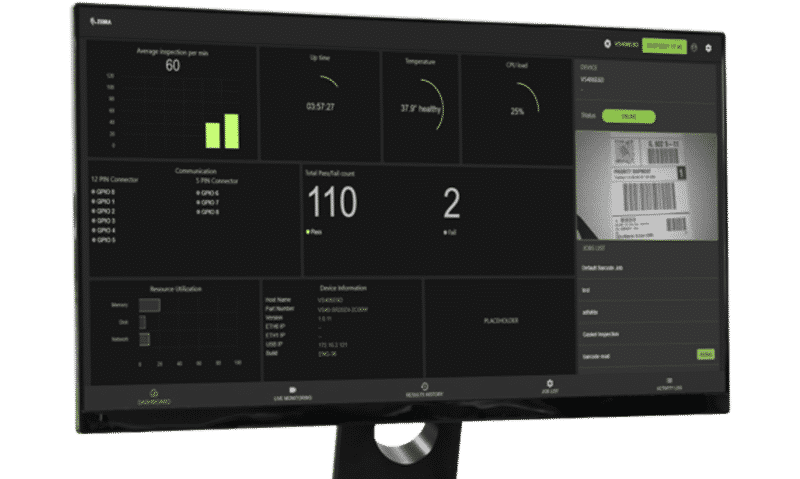
Enterprise software should ostensibly make everyday supply chain operations more reliable and efficient, but they can potentially have the opposite effect if they’re not integrated strategically. The wrong software setup can increase the potential for harmful data silos, thereby limiting visibility and harming organization-wide communication.
When possible, it’s best to consolidate various software solutions so that all systems work seamlessly. This should prompt better communication while limiting wasteful spending on excess software that doesn’t live up to the hype.
This process of minimization should not involve a haphazard departure from several software systems at once, but rather, greater discernment when evaluating which new solutions to take on — and which can be let go due to ongoing inefficiencies, poor KPIs, or limited ROI. A performance-driven managed service provider brings clarity to complex software systems, identifying when they are used to their fullest extent and when they provide little value or become actively detrimental.
Improve Transportation Processes for Mobile Workforces
The less time mobile workers are able to spend on the road per delivery, the better. While some delays are all but impossible to avoid, route optimization software can ensure that employees hit the road at the right times and under ideal circumstances. This should play a key role in reducing transportation costs.

Route optimization software draws on the power of complex algorithms to determine which vehicles are available and which routes can be used to get drivers to their destination as quickly and safely as possible. This limits not only mobile labor costs but also vehicle maintenance concerns. The less time fleets spend on the road, the less needs to be spent on fuel, maintenance, repairs, or replacements — all of which have increased dramatically in price as a result of the current supply chain situation.
Outsource When Practical and Possible
Outsourcing has become a pivotal strategy for companies looking to reduce costs in their supply chains. By delegating certain business processes and tasks to external specialists, companies can reduce labor costs and can also lower other overhead costs such as expenses for facilities, equipment, and training.
Additionally, outsourcing enables companies to focus on their core competencies, optimizing efficiency and productivity in those areas. This often results in better resource allocation.
One valuable area for companies to consider outsourcing is their mobility strategy. From mobile procurement to device provisioning and deployment to MDM (mobile device management), having professionals guide and maintain your mobility strategy can lead to improved real-time data-capture, streamlined processes, and more.
Implementing Strategies for Cost Savings
Today’s supply chain concerns impact all types of enterprises, but there is no one-size-fits-all approach for dealing with these issues. Some solutions — such as automation — may eventually become ubiquitous, but even these will differ in how, exactly, they’re implemented. If new software or other solutions are not applied properly, they won’t merely fail to deliver the desired cost-cutting results; they’ll lead to even more problems down the road.
The supply chain cost reduction solutions highlighted above can be incredibly effective, but they’re not always easy to understand. As such, it’s important to work with a partner that possesses an in-depth knowledge of automation systems, optimization software, and other cutting-edge opportunities.
That’s where the team at Peak Technologies can make a world of difference. We provide a valuable outside perspective, highlighting where your operation may be falling short — and what can be done to help lower costs and bypass the burdens of a costly supply chain. From Managed Mobility Services to warehouse robotics solutions, reach out today to learn more about how we can help.